
If you have ever caught your dog snacking on grass, you are not alone. It is a common behavior that can leave many dog owners feeling puzzled, especially if it happens often or leads to vomiting afterward. The good news is that eating grass is fairly common in dogs and is not usually a sign of an emergency. Some dogs may casually nibble a few blades on a walk, while others seem determined to graze every time they step outside. Still, it is understandable to wonder what is behind the behavior and whether it is something to worry about. In some cases, grass eating may simply be a normal habit, while in others it can be linked to boredom, mild digestive upset, anxiety, or pica, which is the repeated eating of non-food items. According to VCA Animal Hospitals, fewer than 25% of dogs vomit after eating grass, suggesting that most dogs are not doing it just to make themselves throw up.
Because there is not one clear reason behind this behavior, it helps to look at the bigger picture. When and where your dog eats grass, how often it happens, and whether it shows up alongside other behaviors can all offer useful clues. A dog that occasionally samples grass during a walk may be doing something very different from a dog that suddenly starts grazing more often, seems restless, vomits regularly, or begins chewing on other non-food items as well. Understanding those patterns can help you decide whether grass eating seems harmless or whether it may point to something that deserves a closer look.
Why Dogs Eat Grass
There is not one single explanation for every dog. Some dogs appear to like the texture or taste of grass, while others may do it when they are outside exploring, especially if they are already sniffing, chewing, and investigating their environment. For these dogs, grass eating may simply be one of many normal canine behaviors.
In other situations, dogs may eat grass more often when they are bored, under-stimulated, or looking for something to do. Some dogs also seem more likely to graze when they are anxious or when their routine has changed. That does not mean every dog that eats grass has a behavioral problem, but it does mean context matters. If the behavior happens occasionally and your dog otherwise seems healthy, it is often less worrisome than frequent, frantic, or compulsive grass eating.
Does Eating Grass Mean Your Dog Has Pica?
Pica is the term used when a dog persistently eats non-food items. That can include things like rocks, fabric, mulch, plastic, paper, or dirt. Grass is sometimes discussed in relation to pica, but occasional grass eating by itself does not automatically mean a dog has a medical or behavioral disorder.
The distinction becomes more important if your dog is eating grass constantly or is also swallowing other non-food items. Persistent pica can be associated with medical conditions such as intestinal disease, parasites, anemia, endocrine disease, or nutritional imbalance, and it can also develop with anxiety or frustration. Because of that, a dog that eats grass along with other unusual objects should be evaluated more carefully than a dog that casually grazes now and then.
Can Grass Hurt Your Dog?
Grass itself is not always harmful, but that does not mean grass eating is risk-free. The larger concern is often what may be on the grass or mixed in with it. Lawns can be treated with fertilizers, herbicides, pesticides, or other chemicals that are not safe for pets to ingest. Some dogs also eat grass in areas where toxic plants are growing nearby, which can create a very different level of risk.
There is also the possibility of physical irritation. Grass blades can get stuck in the mouth or throat, and any dog that eats large amounts of plant material may vomit or develop mild stomach upset. If your dog repeatedly retches, paws at the mouth, gags, stops eating, or seems in pain after eating grass, it is important to have that checked promptly. Dogs that swallow other objects along with grass may also be at risk for a gastrointestinal obstruction, which is much more serious and should be treated by a veterinarian right away.
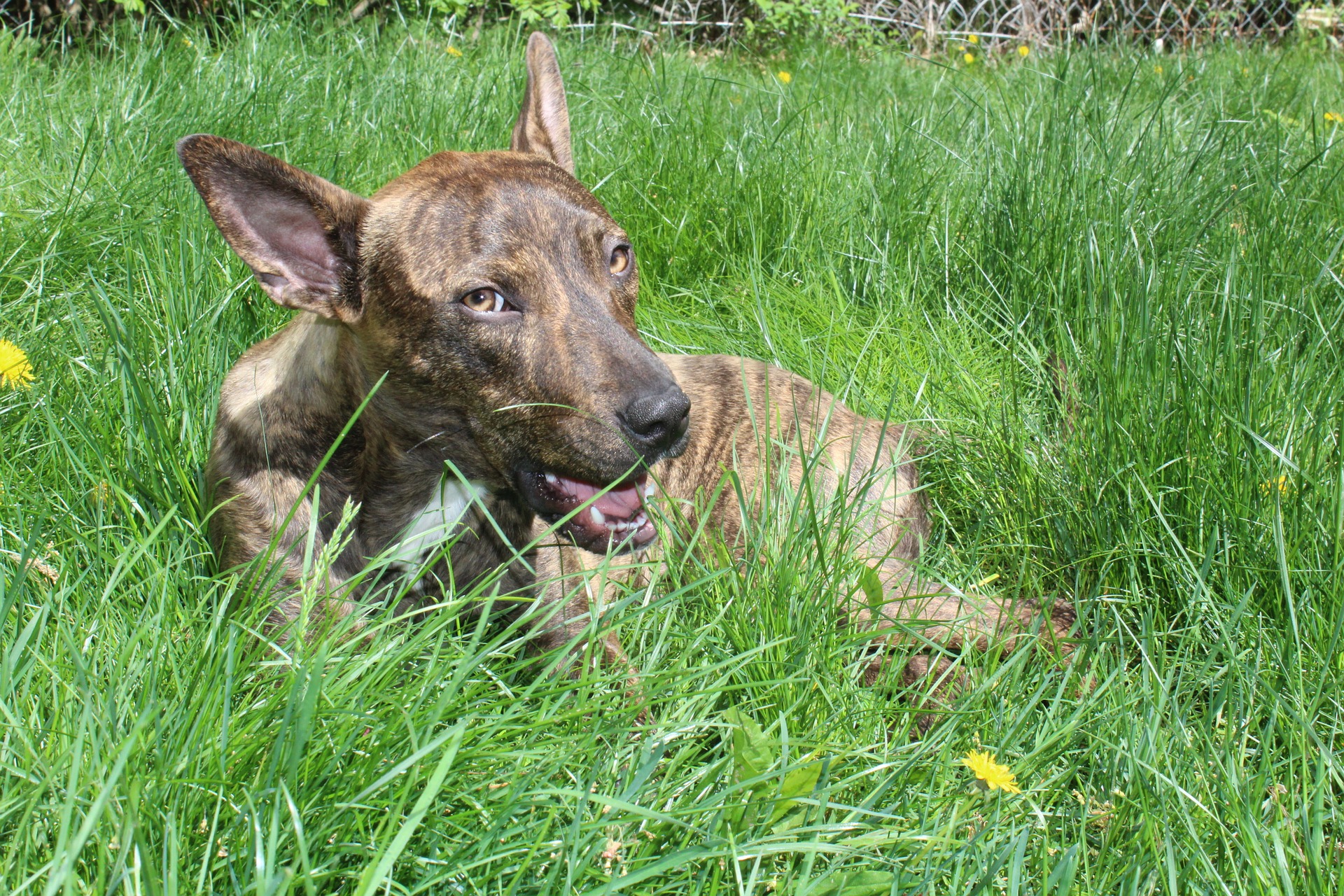
When Grass Eating Is Probably Not a Big Concern
For many dogs, grass eating falls into the category of normal but worth watching. If your dog is bright, active, eating normally, passing normal stool, and only nibbles grass once in a while, it may simply be part of how that dog explores the world. Some dogs do it during walks, some do it in the yard, and some only seem interested in certain types of grass.
In these mild cases, management is usually straightforward. Try to supervise outdoor time, avoid areas that may have been chemically treated, and make sure your dog is getting a complete and balanced diet, regular exercise, and enough mental enrichment. If the behavior becomes more frequent, changes suddenly, or is paired with other symptoms, that is when it deserves a closer look.
Signs It Is Time to Call Your Veterinarian
Grass eating should be discussed with your veterinarian when it is excessive, compulsive, or accompanied by vomiting, diarrhea, weight loss, appetite changes, lethargy, abdominal discomfort, or eating other non-food items. These details help determine whether the behavior is likely harmless or whether there may be an underlying medical problem contributing to it.
It is also a good idea to call if you know or suspect your dog ate grass treated with chemicals. Depending on the product involved, it may warrant urgent or emergency care. The same applies if your dog is gagging after eating grass, cannot settle, is showing signs of discomfort, or may have swallowed something else from the yard. In those cases, waiting it out at home may not be the safest choice.
Helpful Questions to Ask Yourself When Your Dog Is Eating Grass
- Is your dog eating grass only occasionally, or is it happening often?
- Does your dog vomit every time, only sometimes, or not at all?
- Has your dog also been eating dirt, mulch, rocks, or other non-food items?
- Has there been any recent change in diet, schedule, stress, or routine?
- Could the grass have been treated with fertilizer, pesticide, or herbicide?
Should You Offer Your Dog Alternatives to Grass?
Some pet owners wonder whether offering dog-safe vegetables can replace grass eating. While some dogs may enjoy crunchy produce, that is not a guaranteed substitute, and any diet change should be discussed with your veterinarian first. The bigger goal is not to force your dog to stop every blade of grass, but to make sure the behavior stays safe and is not pointing to another issue.
If boredom seems to play a role, more walks, sniffing opportunities, food puzzles, training sessions, and supervised play may help redirect the behavior. If anxiety or compulsive behavior seems more likely, your veterinarian may recommend a more structured plan that addresses the underlying cause rather than just the grass eating itself.
What Grass Eating Usually Means for Your Dog
In most cases, grass eating is one of those odd but common dog behaviors that looks stranger to us than it feels to them. It does not automatically mean your dog is sick, nutritionally deficient, or trying to vomit. Still, the details matter. Frequency, intensity, associated symptoms, and what else your dog is eating all help determine whether the behavior is normal for them or worth investigating further.
If your dog eats grass once in a while and otherwise seems completely well, it may simply be part of normal canine behavior. If the habit is escalating or coming with vomiting, discomfort, or other unusual signs, it is time for a conversation with your veterinary team.
If you have questions, we would love to answer them for you. Please give us a call at the office at (310) 606-2407, or you can email us at [email protected]. Our staff would love to talk with you!
Don't forget to follow us on social media Facebook, Instagram.